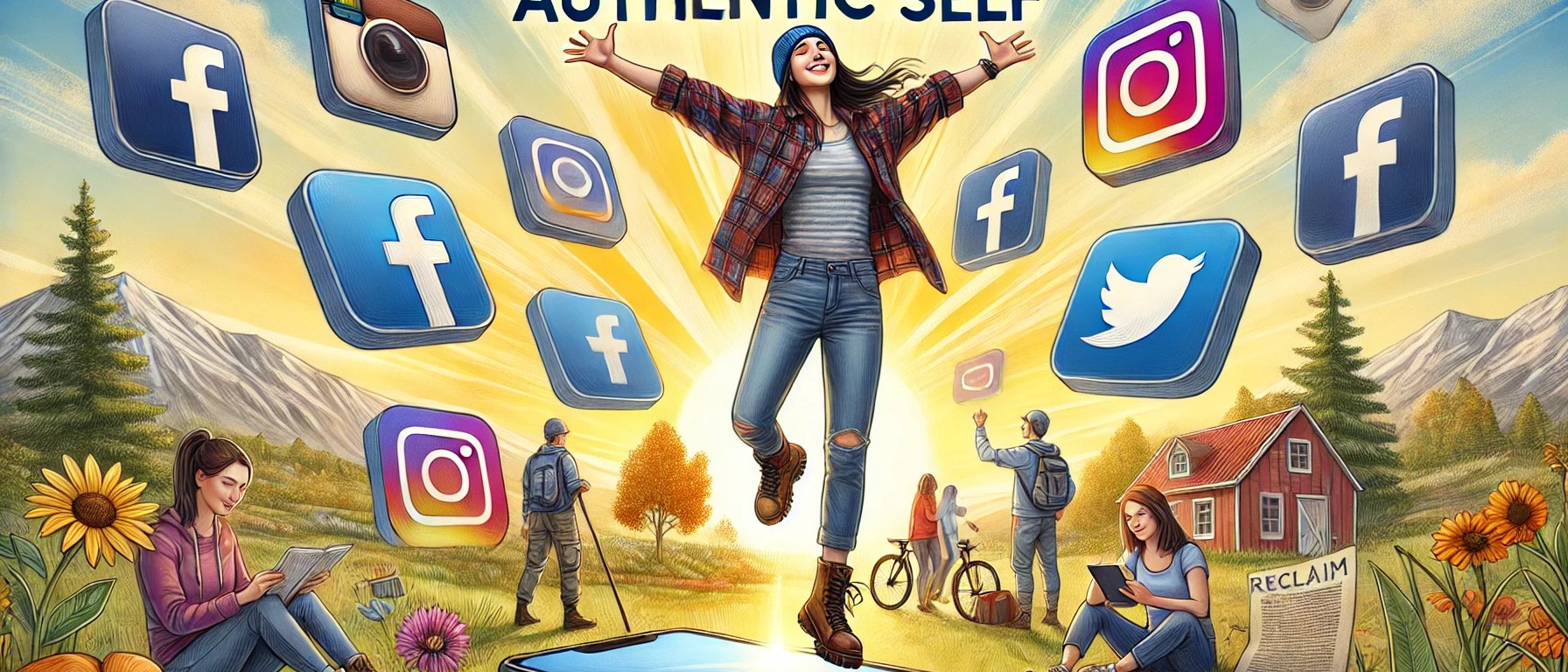
I waited nearly one year to write this blog. I needed a substantial amount of time to do an experiment on myself—deleting social media—and observe its impact on my overall well-being. For nearly a year, I lived without Instagram, Facebook, X, formerly known as Twitter and many other online social networks. When I deleted my Instagram, I had more than 300K views on many posts—a pretty decent number to get in less than six months of activity, although it’s less compared to influencers. Before deleting them, I thought I would miss all the social interactions and definitely be bored or feel lost without them. I feared I would miss my friends and couldn’t imagine living without social media. Yet, here I am, still alive and thriving, after almost a year without any social networks. In this blog, I’ll share the two main perks I discovered from my year-long experience without social media.
1. Reclaim your authentic self
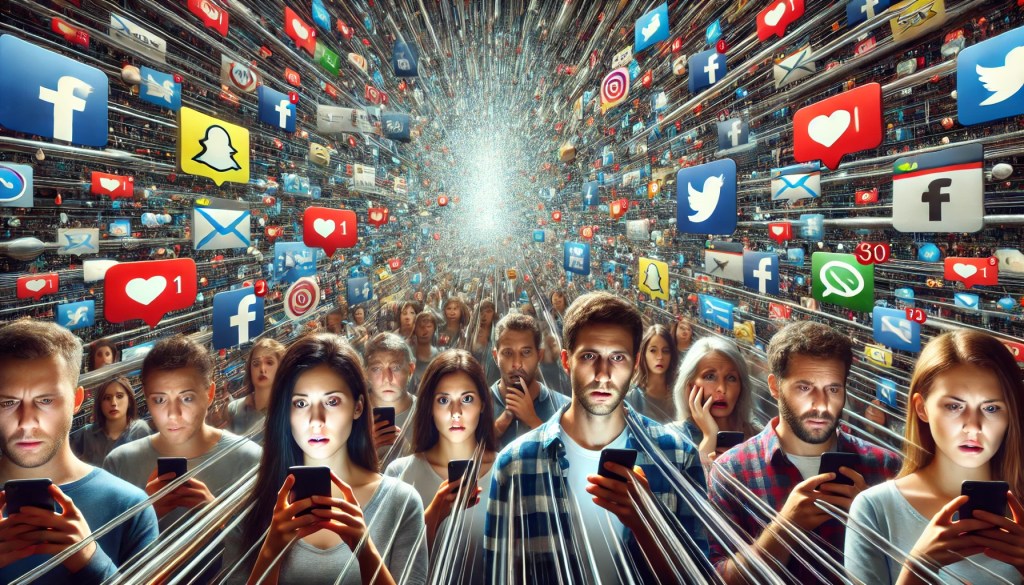
Take Instagram, for instance. It often seems like everyone else is happier, in better shape, following perfect diets, enjoying exotic vacations, and having quality time with partners. This constant comparison fosters a sense of inferiority, making us believe that everyone else is happier than we are. In an attempt to fit into this culture of ‘sharing happiness,’ we start doing the same, inadvertently inducing feelings of inferiority in others.
We are wired to belong to a community where our happiness is genuinely enjoyed by a handful of close friends. This is a space where we protect and are protected, where we help and get help. However, we are not wired to do the same with hundreds or thousands of people—it’s simply not practical! Every time you see the seemingly perfect lives of others, a part of your internal psyche takes a hit. This doesn’t mean you shouldn’t share in others’ happiness; in fact, you absolutely should! It’s important to remember that everyone experiences highs and lows—they are all human, no matter how happy they appear on Instagram. The pitfall is that, while you consciously know this, you might not realize that subconsciously, you start feeling inferior, believing they are always happy.
Next time, if you ever wonder where those unreasonable, spontaneous feelings of low mood or inactivity come from, just experiment on yourself. Delete (don’t deactivate, you will always come back!) your social accounts and see the elevation in your mood. You might be surprised by the results, as most people won’t even notice that you’ve deleted your account!
2. A Clearer Worldview
Instagram offers a curated worldview tailored to your personality. If you examine the Instagram feeds of two people, you can often deduce some insights about their personalities. This curation reinforces specific worldviews every time you revisit the platform, and that’s how you become biased than ever!
Let’s consider another example of starting your day with mainstream news. If someone suddenly wishes you a ‘Good Morning,’ you might question if the morning is indeed ‘good.’ Reading mainstream news is like consuming expired, stinking fast food first thing in the morning. There are numerous studies highlighting the harmful effects of consuming mainstream media.Neuroscientist Dr. Tara Swart, author of “The Source: Open Your Mind, Change Your Life” says that most neuroscientists she knows don’t watch the news because it’s important to protect the brain from negative and dark stimulation. This outdated notion of ‘having more general knowledge (GK) means more respect’ needs rethinking.
Most news builds an imaginative, scary worldview, portraying the world as the worst place to live—full of racism, religious cults, pseudo-gurus, rapes, crimes and more. It’s like living in a forest, expecting wild animal attacks at any time, without realizing this forest is just a big garden. Historically, we are now living in the best society where human values and rights are protected with numerous technological advancements, even capable of stopping an alien invasion! Still we are not satisfied!
You might argue that these things happen in the world anyway, so what’s wrong with being informed? The problem lies in the type of information we consume. We need to be informed about things that contribute to our personal or professional growth. If a piece of news doesn’t help you grow or act, you’re likely just wasting time.
Think about people like Gandhi or other social reformers. They were aware of their respective deplorable social situations, but they were never consumed by it. Instead they saw the world as a better place and strived for that vision. They weren’t scared of the current state of the world. Instead, they were emotionally detached from those pathetic social conditions and worked towards creating a better worldview. If you aspire to be like them, have firsthand experience with issues and solve them. However, don’t let the narratives of others or news channels overwhelm you.
The more people become aware of this, the less impact mainstream news will have on our lives. This awareness helps us build an authentic life, free from the manipulations of mainstream media.
A FINAL NOTE:
Deleting social media is not an answer for all your sufferings. But it will definitely give you some clarity about your digital suffering. It will be really painful and confusing in the beginning, because you will be going through the de-addiction part! I challenge you to try this experiment. Disconnect for a while, and you might find yourself reconnecting with a more authentic, fulfilling life.
Just delete it, and take a look around—the analog world has far more beautiful things to offer than its digital counterpart!
 The Online Thoughts
such a beautiful and informative post
LikeLike