In a fascinating experiment, participants were given a choice: sit quietly and do nothing, or give themselves a mild electric shock. Surprisingly, a significant number chose the shock, preferring discomfort over being alone with their thoughts. This shocking (pun intended) behavior highlights a widespread fear of boredom and the desperate lengths people go to avoid it.
I’ve noticed this phenomenon firsthand. In my workplace, we have “quiet rooms” designed for reflection and deep thought. Yet, many colleagues are terrified of sitting in these rooms. They express anxiety about being alone with their thoughts, which astonished me. Personally, I relish those moments of quiet introspection, except in rare instances where I need a temporary distraction to preserve my sanity.
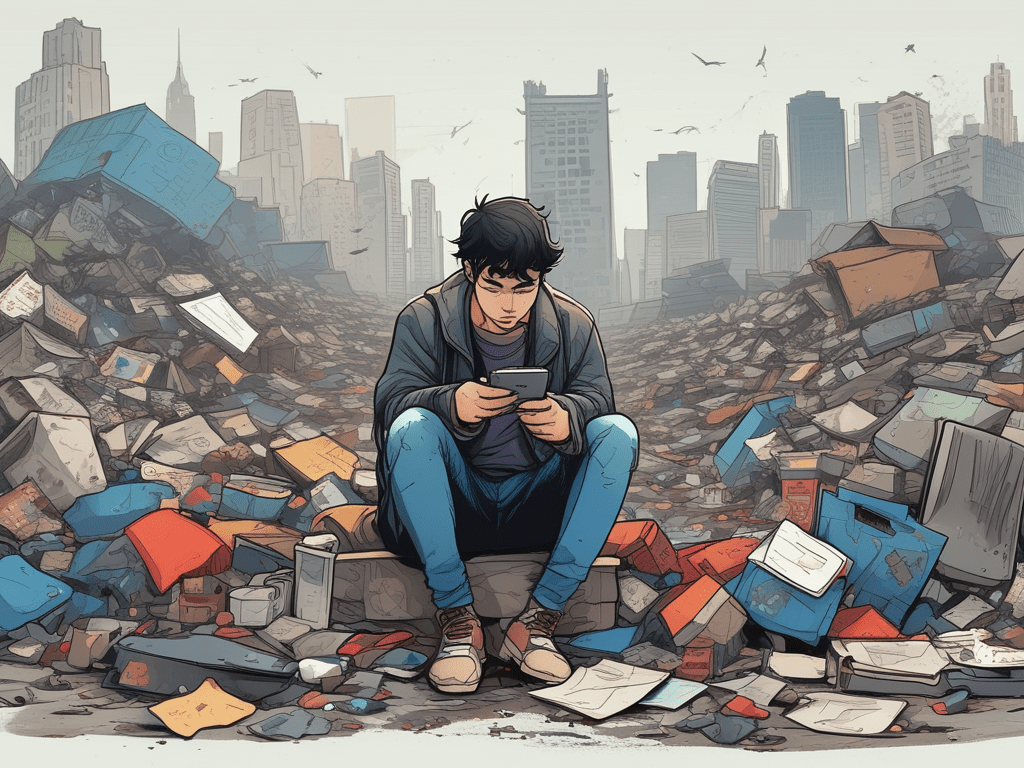
This aversion to boredom extends beyond the workplace. Every day, I commute via public transport, and I observe that almost everyone—99% of passengers—immediately reaches for their phones upon boarding. They tune out the world around them, fixating on news or social media, desperate to feel “updated” and prepared to act in the real world. Ironically, this constant need for external stimulation prevents them from taking meaningful action in their lives. They remain trapped in a cycle of pseudo-satisfaction, endlessly scrolling through apps, believing they are engaged, yet never actually engaging with the world around them.

Some people can’t even tolerate a minute of closing eyes and sitting quietly; they find it terrifying. It’s like living in a messy, cluttered house but refusing to clean it because the task seems overwhelming. Instead, they wander through life with their eyes closed, avoiding the chaos. But eventually, they will trip and fall, stumbling over the mess they never dealt with. Similarly, those who constantly distract themselves will find they have little control over their life’s decisions, squandering their potential in the process.
What’s more troubling is that many people don’t even realize this is a problem. They think it’s okay because “everyone does it,” which is a poor way to reason. They also fail to notice the slow but steady changes in their behavior and mindset. Humans are notoriously bad at recognizing gradual changes until it’s too late. For example, have you noticed how people only start exercising when they develop health issues? Or how they ignore their finances until debt becomes overwhelming? These are classic examples of our inability to perceive and react to slow, creeping changes in our lives.
But boredom isn’t something to be feared—it’s an opportunity. It stimulates creativity and can even bring a sense of happiness. When you’re bored, you’re more likely to reflect on your life, plan for the future, and set your priorities straight. You might revisit past mistakes with a fresh perspective or notice things you overlooked before. There are countless perks to letting yourself be bored, even if it feels uncomfortable at first.
Reaching for your phone every time you’re bored is like administering that electric shock to yourself. It’s a way to avoid facing your thoughts, to escape the discomfort of introspection. But the next time you find yourself pulling out your phone out of habit, pause for a moment. Recognize that you’re giving yourself another shock, another escape from boredom. Instead, put the phone back in your pocket and take a look around. There’s a world of beauty and inspiration waiting to be noticed.
Boredom is not the enemy—distraction is. Embrace those moments of quiet and see where your mind takes you. You might be surprised by what you discover.
 The Online Thoughts